
The cutting process is usually the first point of contact.
And when the right method is chosen here, half the job is considered done.
Plasma cutting is one of the most frequently preferred methods for Hardox plates. When controlled heat input is provided, a smooth and clean cross-section is obtained. Laser cutting, on the other hand, offers high precision for thinner plates.
Oxy-fuel cutting is also possible, but here the preheating and post-cutting cooling process must be managed more carefully. Otherwise, hardening and micro-crack risk can occur at the edges.
In other words, the issue is not "can it be cut?"
but the question "how should it be cut so it doesn't cause problems?"
Drilling Operations: Choosing the Right Drill Bit and Speed on Hardox
Drilling is one of the steps that requires the most patience when working with Hardox.
Because here it is not speed, but control that wins.
High-quality carbide or cobalt-alloy drill bits are preferred. The speed is kept low, and feed is done in a controlled manner. When overheating is observed, it is recommended to stop and cool.
One of the mistakes frequently made in the field is continuing despite the drill bit struggling. This both consumes the tool and reduces the quality of the hole.
A hole can be drilled in Hardox, but not in a hurry.
Points to Consider in the Bending and Forming Process
The question "Can such hard steel be bent?" is often asked.
The answer is clear: It can be bent, but there are rules.
In bending operations, the minimum bending radii must be followed. As the hardness grade increases, this radius also needs to be enlarged. Otherwise, surface cracks can be encountered.
Cold bending is usually sufficient, but controlled heat support may be needed for thick plates and high hardness grades.
What is important here is not to force the steel, but to guide it.
How Are Hardox Plates Joined by Welding?
The subject of welding is one of the most dreaded topics when Hardox is mentioned.
But when the right method is applied, it proceeds much more smoothly than expected.
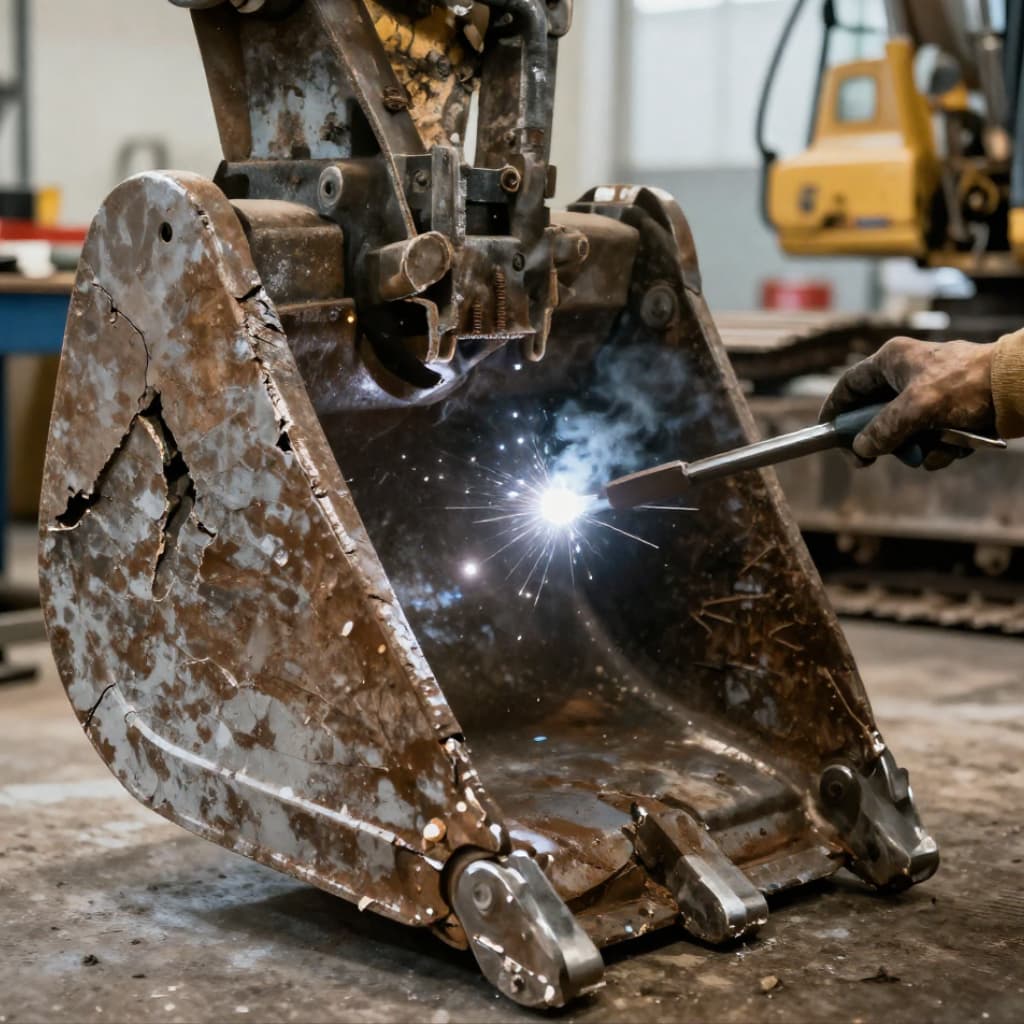
First, the appropriate welding wire and electrode are selected. Low-hydrogen consumables are preferred. Depending on the plate thickness and ambient temperature, preheating can be applied.
During welding, applying controlled passes and avoiding sudden heat buildup is important. Instead of rapid cooling after welding, natural and balanced cooling is preferred.
The goal here is to preserve hardness without increasing brittleness.
The Importance of Preheating and Cooling Processes
This topic is usually wanted to be skipped, but problems usually arise from here.
Preheating becomes critical especially for thick Hardox plates and in low ambient temperatures.
Thanks to preheating, the stresses in the welding area are reduced. This significantly lowers the risk of cracking. The cooling process is equally important.
Sudden cooling can lead to unwanted hardening in the steel's structure. Therefore, it is recommended to allow the part to cool on its own, in a controlled manner, after welding.
In short, patience here turns directly into quality.
How Is Wear and Tool Life Managed During Processing?
Hardox is hard, and this hardness also tests the tools.
Therefore, tool life should be planned from the start.
It is recommended to check the cutting tips frequently, use appropriate cutting speeds, and use cooling fluids when necessary. Continuing with blunt tools loses not just time but also parts.
Correct planning here significantly reduces the total processing cost.
Common Mistakes Made in the Field to Avoid Faulty Processing
The most common mistake is the "nothing will happen" mindset.
Hardox does not like this approach.
Small-seeming details such as drilling at the wrong speed, skipping preheating, and using unsuitable welding wire can lead to big problems.
Field experience shows this:
Those who have problems with Hardox are generally those who underestimate not the steel, but the process.
When approached with the right knowledge, Hardox works much more compatibly than expected.

 EN
EN  TR
TR