
As competition in the transport and heavy industry sector gets tougher every day, carrying more load with the same vehicle has now become not an advantage but a necessity. This is exactly where you realize how critical material selection is. Especially the use of high-strength steels like Hardox stands out as a powerful solution to both reduce vehicle weight and increase load capacity.
So how is this possible? Let's look step by step together.
What Is Hardox and Why Is It Preferred?
Hardoxis a special type of steel that shows high resistance to wear. Compared to standard steels:
- It is much more durable
- It can be used thinner
- It is long-lasting
This "thinner but stronger" structure forms the basis of vehicle lightening.
The Logic of Vehicle Lightening: Less Material, Same Strength
When traditional steel is used, thicker plates are needed to ensure durability. This directly increases vehicle weight.
However, when Hardox is used:
- The same strength is achieved with thinner plate
- Unnecessary weight is eliminated
- The total mass of the vehicle decreases
This situation especially in:
- Dump trucks
- Trailers
- Excavation bodies
makes a very serious difference.
Lighter Vehicle = Increased Load Capacity
The critical equation here is quite simple:
👉 The lighter the vehicle, the more load it can carry
Legal tonnage limits do not change. However, when the vehicle saves on its own weight, this space is directly transferred to load capacity.
To give an example:
- Standard steel body: Heavier → Less load
- Hardox body: Lighter → More load
This means carrying more product each time.
Indirect Effect on Fuel Consumption
When the vehicle gets lighter, not only does carrying capacity increase, but fuel consumption is also positively affected.
- Lower weight = less engine load
- Less engine load = less fuel consumption
Especially in long-distance transport, this difference provides significant savings.
Maximum Efficiency with Correct Design
Hardox Using alone is not enough. It must be supported with correct engineering.
Things to pay attention to:
- Avoiding unnecessary material use
- Correctly analyzing the areas where the load is concentrated
- Reinforcing at critical points
In other words, it is necessary to use the right material in the right place, not to put thick plate everywhere.
Wear Resistance = Less Maintenance
HardoxAnother great advantage of is its wear resistance.
Thanks to this:
- Body deformation is delayed
- The risk of puncturing and cracking decreases
- Maintenance and repair costs decrease
This significantly reduces operating costs in the long term.
Sectoral Application Areas
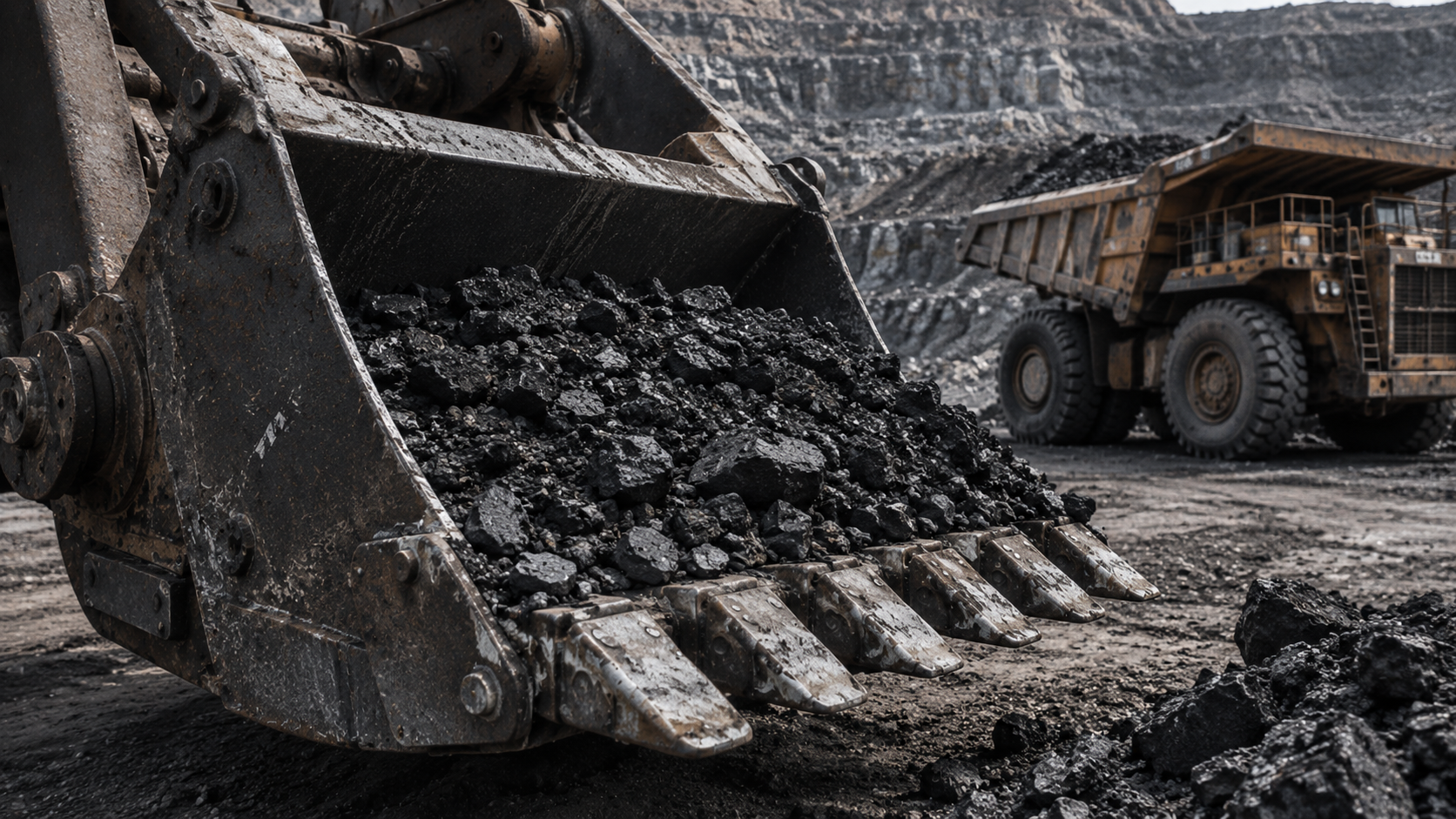
Lightening and capacity increase with Hardox is most preferred in the following areas:
- Mining transport
- Construction and excavation
- Agricultural equipment
- Waste and recycling vehicles
Since both durability and capacity are critical in these sectors, Hardox provides an important advantage.
The Risks of Incorrect Use
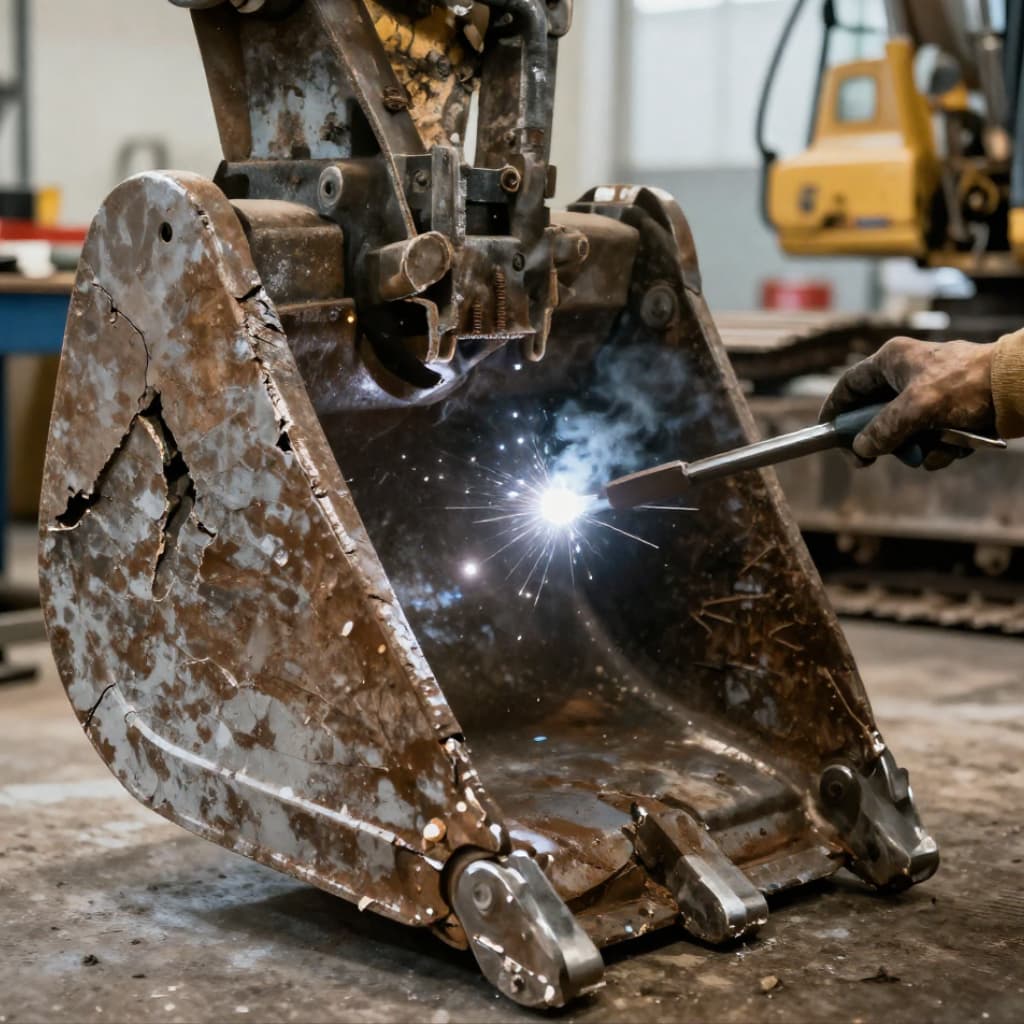
Like any strong material, Hardox does not provide the expected benefit when used incorrectly.
- Faulty welding applications
- Wrong thickness selection
- Production without engineering calculation
can eliminate these advantages.
Therefore, the application process must be carried out by expert teams.

 EN
EN  TR
TR