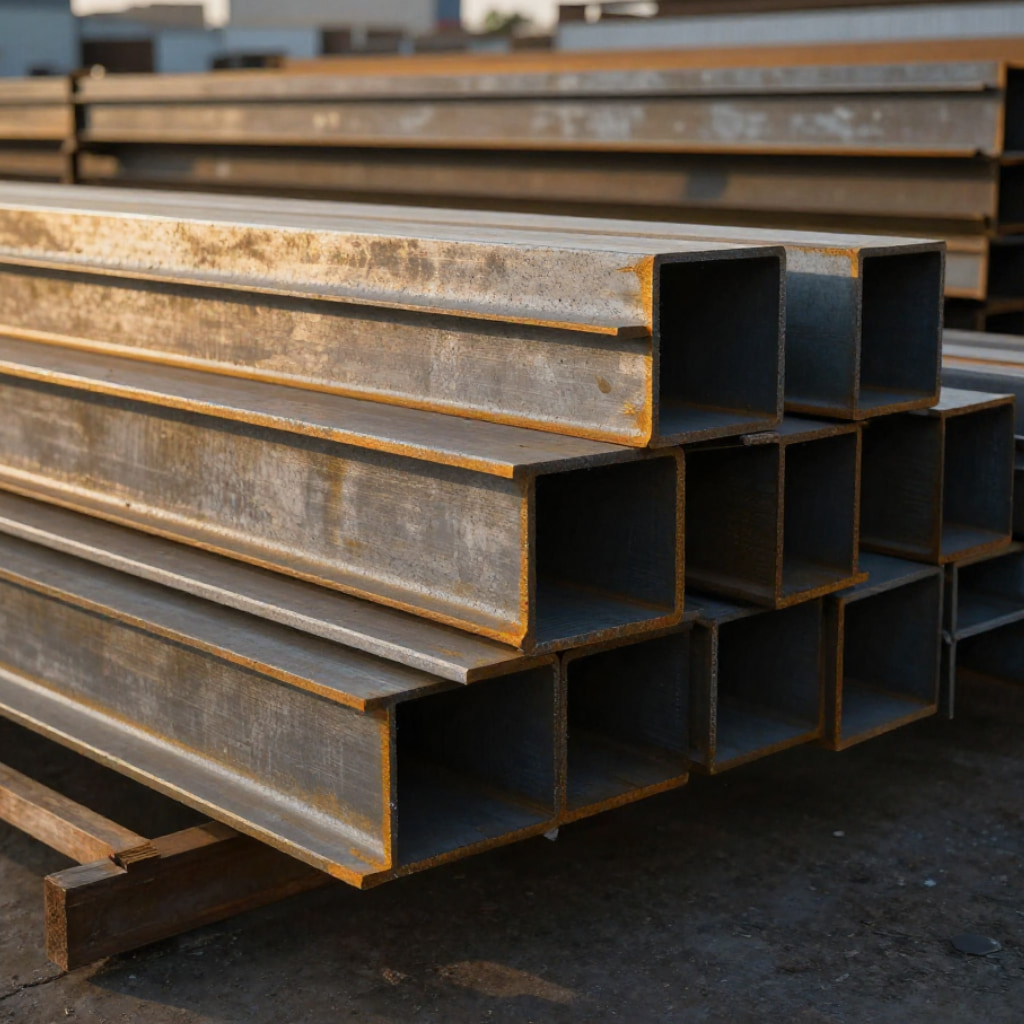

Armor steel procurement is often seen as a simple purchasing process. However, behind the performance losses experienced in the field, unexpected cost increases, and shortened equipment life often lies the wrong steel selection. Therefore, choosing the right armor steel is not just a technical decision; it is also a strategic step that directly affects profitability.
So what should you really pay attention to when procuring armor steel? Here are the 5 most critical points:
1. Material Quality and Certification
The most important issue with armor steel is whether the product really meets the stated quality. There can be many products sold under the same name but with different quality on the market.
Therefore, you should definitely:
- Request a manufacturer's certificate (Mill Test Certificate)
- Check the hardness values (HBW)
- Examine the chemical content analyses
Poor-quality or uncertified products, although they may seem affordable in the short term, mean more wear, breakage, and cost in the long term.
2. Choosing the Right Steel Suitable for the Application
Not every armor steel is suitable for every job. The right material should be selected according to the area of use.
For example:
- Excavation work requires balanced hardness and flexibility
- In mining sites, high wear resistance is at the forefront
- In recycling areas, impact resistance becomes critical
Wrong steel selection causes the equipment to wear out faster than necessary or leads to performance loss.
3. Choosing the Right Thickness
One of the most common mistakes made with armor steel is the idea that "thicker = better." However, this is not always true.
- Material thinner than necessary → fast wear
- Material thicker than necessary → excess weight and fuel consumption
Therefore, the right thickness should be determined in a way that keeps both durability and efficiency in balance. Especially in construction machinery, unnecessary weight is directly reflected in fuel costs.
4. The Technical Competence of the Supplier
Working with a supplier who only gives a price when buying armor steel is a big risk. Because this process requires technical knowledge.
A good supplier:
- Analyzes your application area
- Recommends the right material
- Provides technical support during the usage process
Thanks to this approach, not just a product but also the right solution is purchased.
5. Total Cost Analysis (Not Thinking Price-Focused)
This is one of the most critical points. Most businesses focus only on the initial purchase cost. However, the real cost emerges during the process.
Things to consider:
- Fuel consumption
- Frequency of maintenance and repair
- Part replacement costs
- Work loss (machine downtime)
Cheap steel wears out quickly and requires more maintenance. This means both time and money loss. Quality armor steel, even if more expensive initially, lowers the total cost in the long term.
Conclusion
Armor steel procurement is a critical process that directly affects the efficiency of the business. When working with the right material, the right thickness, and the right supplier:
- Equipment life is extended
- Fuel consumption decreases
- Work processes become more efficient
However, when these details are ignored, hidden costs increase rapidly.
Therefore, when choosing armor steel, not just "price" but quality, engineering, and long-term gain should be evaluated together. Because the right steel makes a difference in the field.

 EN
EN  TR
TR