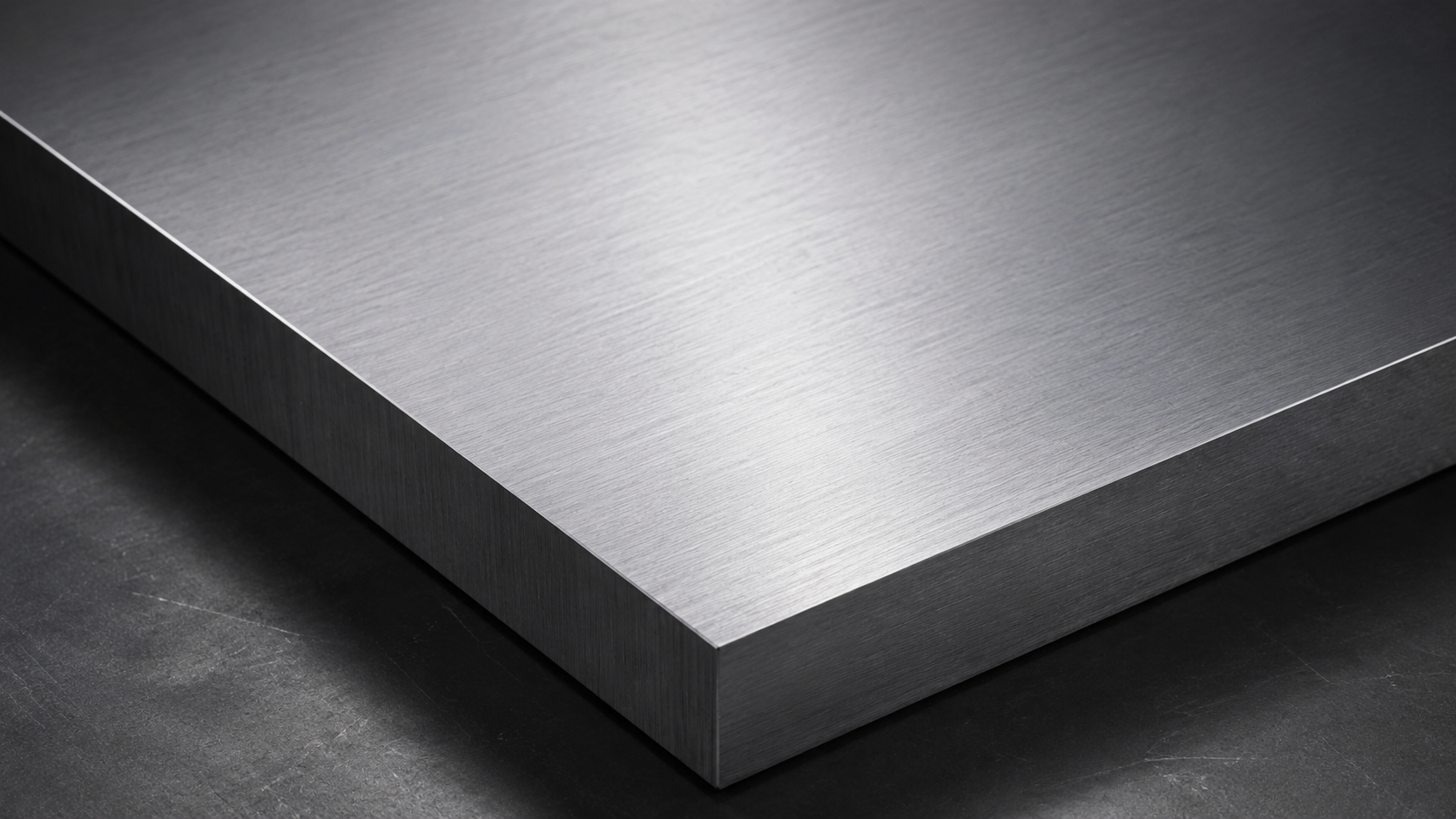

The question of what Strenx steel is usually wants to be answered in a single sentence.
But the truth is: when explained in a single sentence, its real difference is missed.
Because Strenx is not thought of merely as "a more durable steel."
In fact, when examined, it is seen as a material that changes the design approach and brings a different perspective to the project.
That's why the topic needs to be unfolded gradually.
Strenx is a steel that doesn't like haste.
What Is Strenx Steel? An Overview of High-Strength Structural Steel
Strenx is known as a special type of steel in the class of high-strength structural steels.
But what makes it special is not just its strength.
This steel is SSAB developed by, and its main purpose is quite clear:
Providing more strength with less material.
That is, instead of the classic "thicken, strengthen" approach;
the logic of "design smartly, lighten" is adopted.
This perspective has begun to make a difference, especially in modern engineering projects.
The Prominent Mechanical Properties of Strenx Steel
The first striking feature of Strenx steel is its high yield strength.
Thanks to this feature, it shows serious resistance to deformation under load.
But there is an important detail here:
This strength is not achieved at the cost of a brittle structure.
That is, Strenx is considered not only strong but also a material that can flex in a controlled manner. This creates a great advantage in terms of safety.
This balance between strength and ductility makes many projects say, "this was exactly the feature we were looking for."
Weight Reduction and Design Advantages That Come with Strenx
Here things get a little more interesting.
Because when Strenx is used, it is noticed that the same load capacity can be achieved with thinner cross-sections.
What does this mean?
It means lighter structures, less dead load, lower fuel consumption, and more efficient systems.
Especially in mobile equipment, this difference is strongly felt.
Cranes, conveying systems, trailers…
As weight decreases, space also opens up for the designer.
Bolder, more functional, and more modern designs become possible.
The Differences Between Traditional Structural Steels and Strenx
A common misconception here is:
"If the strength is high, they're all the same."
But that's not how it works.
Traditional structural steels generally require working with thicker cross-sections. This means increased weight and volume.
Strenx, on the other hand, can do the same job with a thinner structure.
This difference affects not just the material but every stage from logistics to assembly.
So the point is not just the steel itself, but the total impact the steel brings to the project.
Strenx Steel in Terms of Weldability and Machinability
When high strength is mentioned, the question "is it difficult to machine?" immediately comes to mind.
This is quite a valid question.
Strenx steel offers a weldable structure when the correct procedures are applied. Smooth results can be achieved with preheating, appropriate electrode selection, and a controlled welding process.
Cutting, bending, and forming operations can also be easily done with the right equipment.
In other words, Strenx doesn't tire its craftsman, but it doesn't forgive carelessness either.
This balance provides confidence in professional applications.
Where Is Strenx Steel Used? Sectoral Application Areas
When you look at the areas where Strenx is used, you generally see sectors with heavy conditions.
Construction equipment,
mining machinery,
transport and logistics vehicles,
energy and infrastructure projects…
The common point of these areas is this:
The margin of error must be low.
Strenx is preferred because it offers a structure that meets this expectation.
In other words, it takes the stage where it is expected "not to leave its task halfway."
Strenx's Contribution in Terms of Strength, Safety, and Long Life
Strength alone is not enough.
What really matters is how this strength is maintained over time.
Because Strenx steel offers a structure with high fatigue strength, it produces long-lasting solutions. This extends maintenance intervals.
Less maintenance means less downtime.
This directly affects operating costs.
On the safety side, thanks to its controlled deformation feature, it helps prevent sudden fractures. This feature is considered critical, especially in projects where human life is at stake.
In Which Projects Should Strenx Steel Be Preferred?
When it comes to the final point, the question has now become clear.
Not "Is Strenx good?",
"Is Strenx necessary for this project?"
If lightness, high strength, and long life are wanted together, Strenx is the right choice.
But it should not be forgotten that not every project needs the highest strength.
The right material gains meaning when used in the right place.
And Strenx offers exactly this:
A solution that is unexaggerated, unpretentious, but does its job more than well.
And most of the time, when you look back after choosing it,
it's the kind of steel that makes you say "it's good that this was used here."

 EN
EN  TR
TR