
This question is usually asked after the fact.
The plate has been cut, welded, and the part has gone to the field…
Then a problem arises and this sentence is heard:
"Was this really Hardox?"
It is at this point that one understands how critical the subject is.
Because Hardox is not just a name. It is a performance expectation.
And when that expectation is not met, the problem is usually not in the steel, but in the selection is sought.
That's why this subject needs to be handled from the beginning, calmly.
What Is Original Hardox? Its Difference from Equivalents on the Market
First, this must be clarified:
Hardox is not a steel grade, but a brand.
In other words, expressions like "Hardox grade," "Hardox-like" do not technically mean the same thing. Original Hardox is produced with specific production standards and quality control processes.
These steels are SSAB developed by, and each plate is put on the market adhering to specific mechanical and chemical values.
Do equivalent steels do the job?
In some applications, yes.
But the consistency and predictabilitythat original Hardox offers is generally not found at the same level in equivalents.
This is exactly where the difference begins.
How to Read the Stamping and Plate Markings on Hardox?
On original Hardox plates, the clearest visible clue is the stamping.
This stamping is usually located on the surface of the plate at regular intervals.
It contains the following information:
-
Hardox grade (400, 450, 500, etc.)
-
Manufacturer information
-
Plate number or batch information
There is an important detail here:
The stamp is not faint but clear. It is not random but printed in a certain order.
One of the mistakes frequently made in the field is allowing these stamps to disappear after cutting. Before the plate is completely cut up, the stamp information must be recorded.
Because if there is no stamp, proof also becomes difficult.
Verification with Certificate and Material Test Certificate (MTC)
Here is the most solid proof.
Original Hardox is not sold without a certificate.
There is a Material Test Certificate (MTC) for each plate. In this document:
-
Chemical analysis values
-
Mechanical properties
-
Hardness ranges
-
Production standard
such information is clearly stated.
This certificate must exactly match the number on the plate.
If it is said "there is a certificate but it's not clear whether it belongs to this plate," it is necessary to stop and think here.
Field experience shows this:
Real Hardox comes with its document.
Material that comes without a document leaves a question mark.
Clues Between Original Hardox and Similar-Looking Steels
Appearance can be deceptive.
Many steels resemble Hardox in surface.
But when use begins, the difference reveals itself.
For example:
-
Earlier-than-expected wear is seen
-
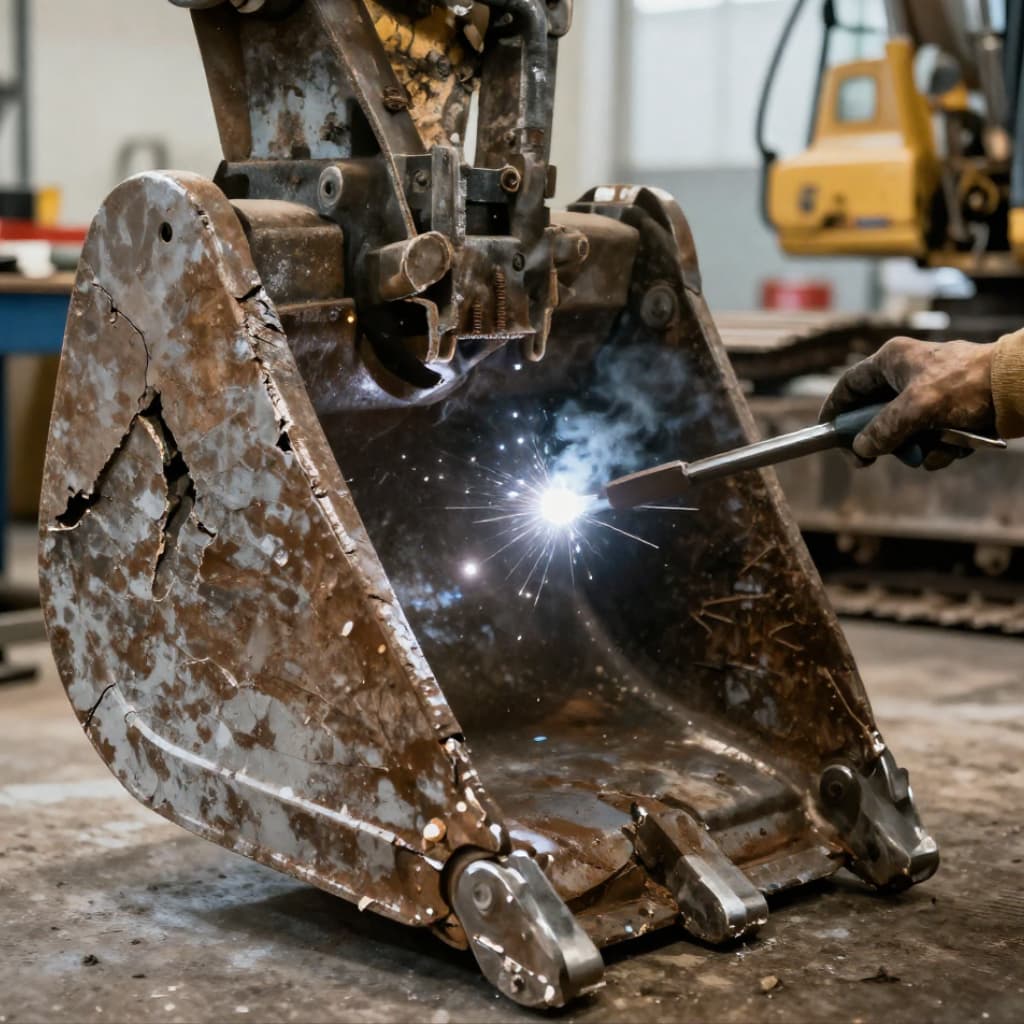
Cracks form after welding
-
Unusual difficulty is experienced during drilling and cutting
These signs alone are not definitive proof.
But if more than one is seen together, the originality of the material begins to be questioned.
Real Hardox behaves "as predicted" in the field.
It does not surprise.
Supplier Selection: Why Is Buying from an Authorized Dealer Important?
Here the matter looks not only at the steel, but at whom it is bought from as well.
Authorized and known suppliers are the most critical link in the chain.
Original Hardox is generally sold with a traceable supply chain.
Where the plate comes from and in which projects it was used is known.
When the price seems too attractive, it is necessary to stop and think.
Because Hardox's market value is known.
Many problems experienced in the field start with the thought "let it be cheap."
And the aftermath usually costs more.
Common Mistakes and Risks That Reveal Original Hardox in the Field
The most common mistake is this:
"It was sold to us as Hardox."
But the question should be:
How was it verified?
Purchases made without checking the stamp, requesting a certificate, or questioning the supplier are risky. This risk means not just material but loss of time, labor, and reputation.
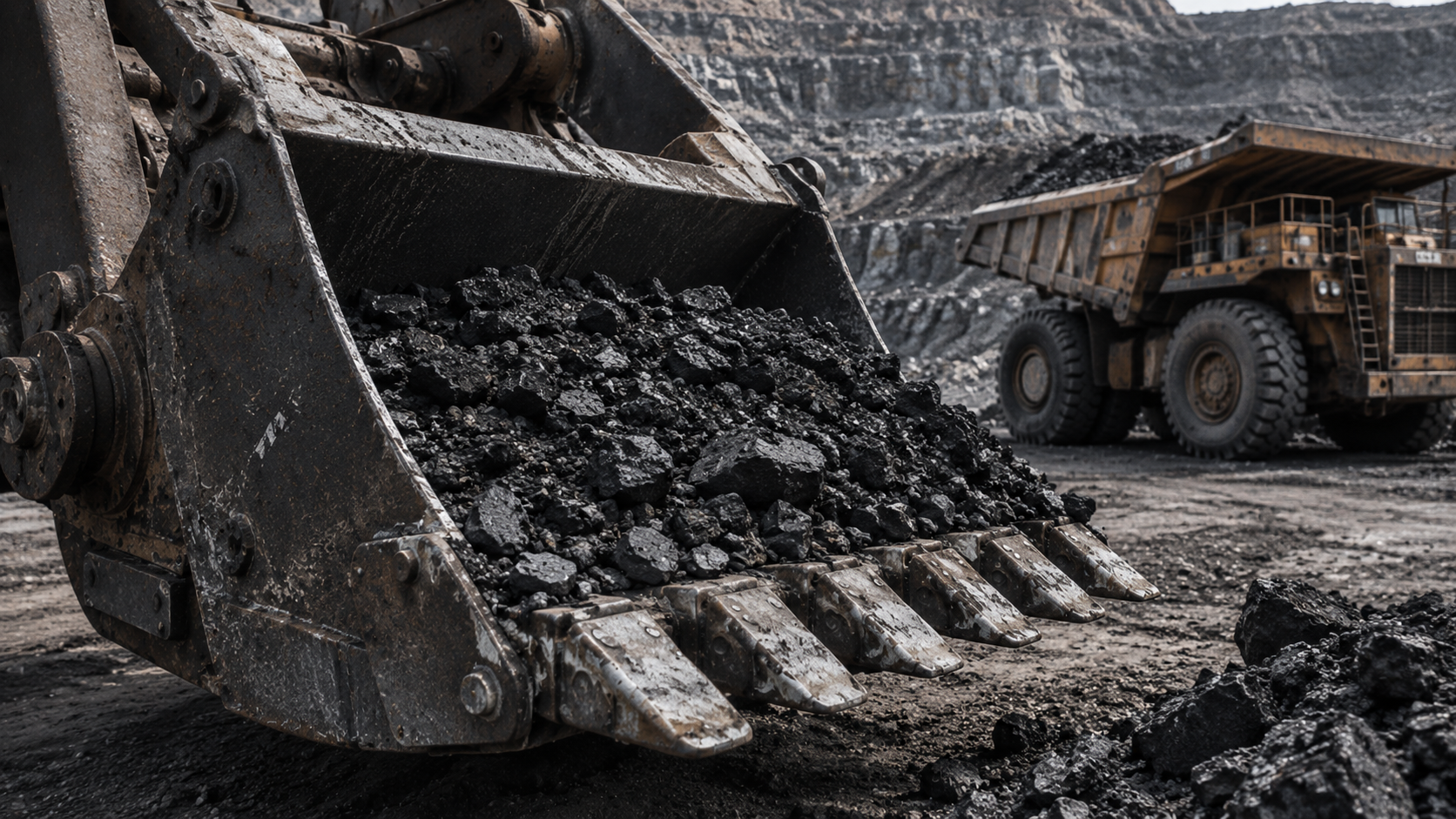
Especially in sectors where downtime cost is high, such as mining, construction, and heavy industry, this risk grows exponentially.
Therefore, understanding original Hardox is not just a technical detail;
it is also a occupational safety and cost management matter.

 EN
EN  TR
TR