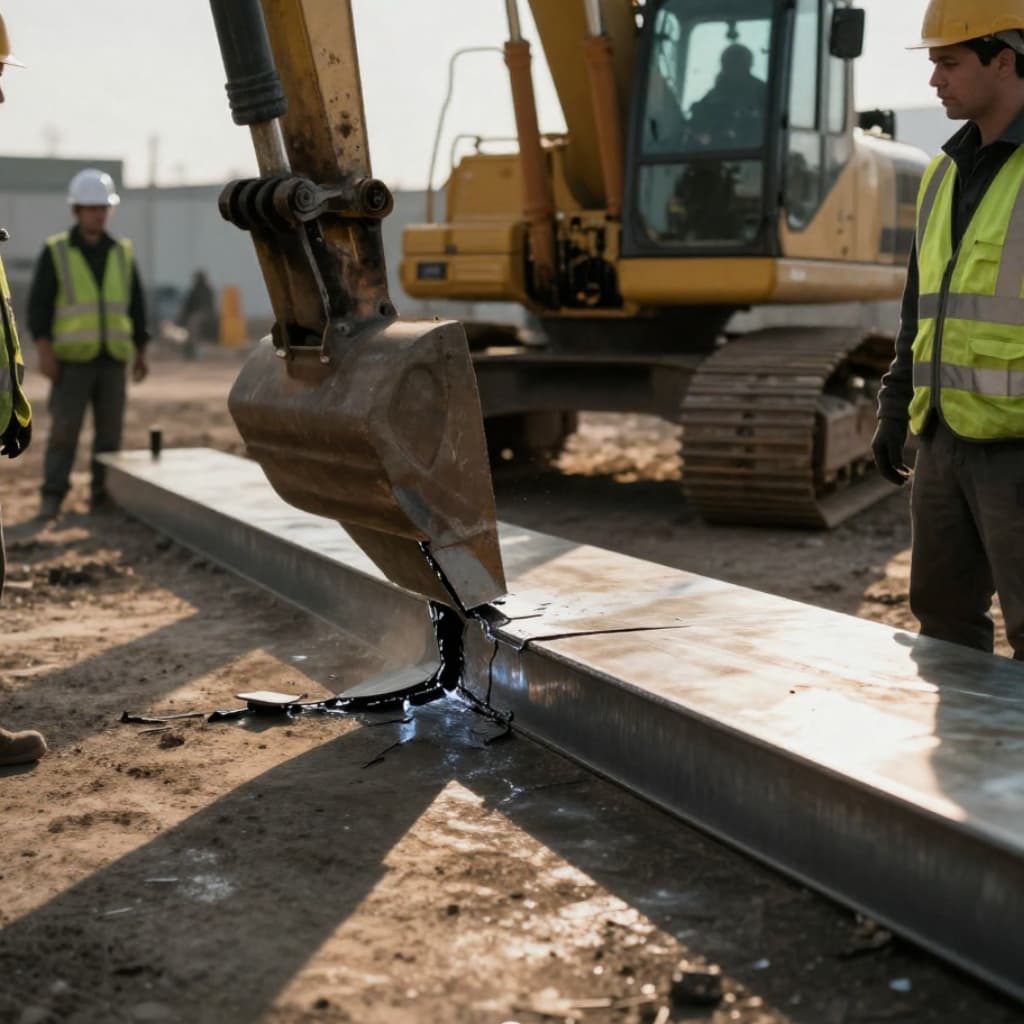

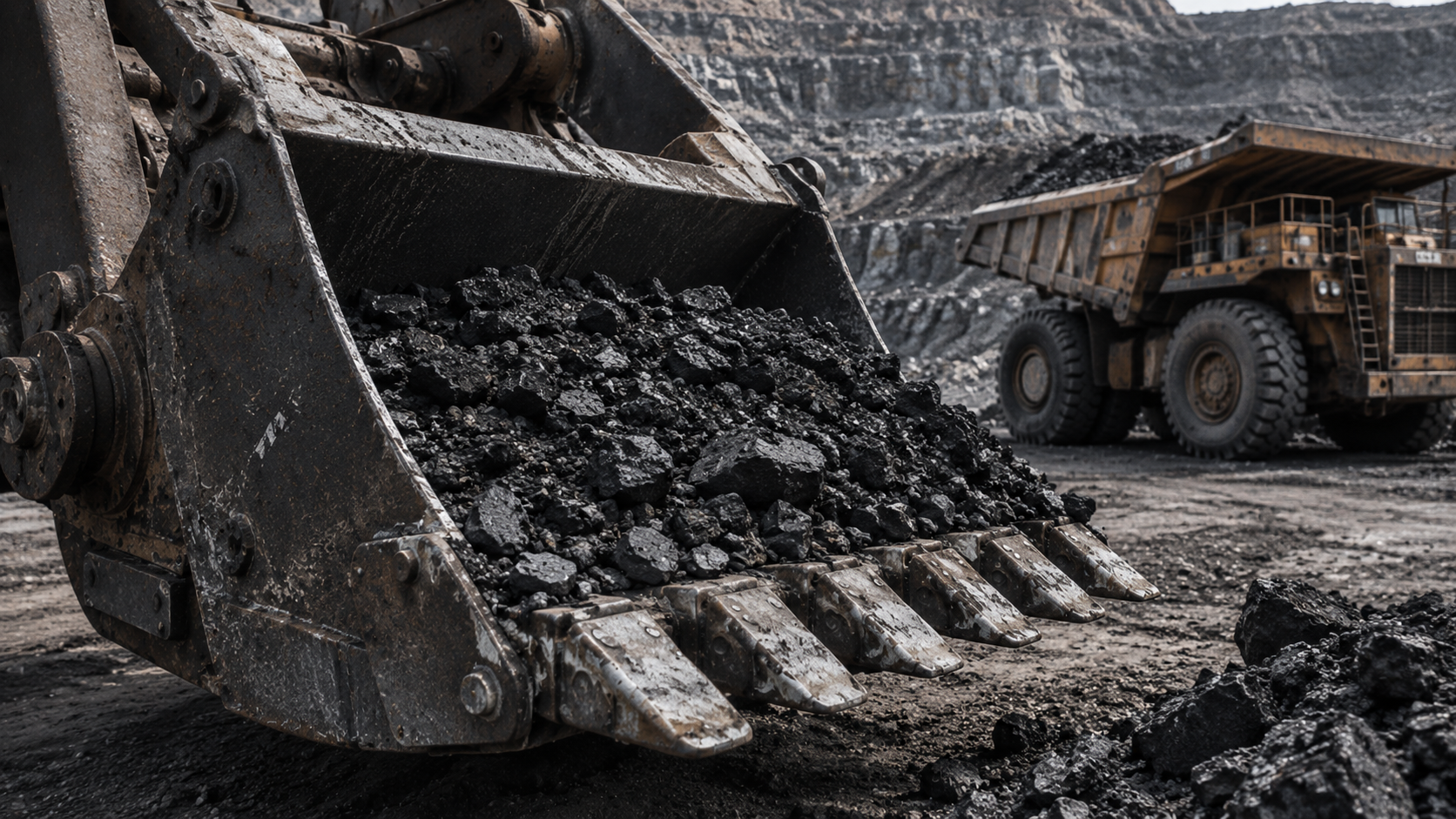
The quality of steel used in construction machinery is not just a technical choice; it is a strategic decision that directly affects business profitability. Excavator buckets, loader attachments, dozer blades, crusher bodies, and truck bodies work under intense impact and wear.
Wrong steel selection is not noticed at first glance. The machine works, the job continues. However, the problems that emerge over time create invisible but growing costs for the business.
These costs are often much larger than the part price.
1. Frequent Part Replacement
When steel with low wear resistance is used:
-
Bucket bottoms thin quickly
-
Side plates lose their form
-
Blade tips wear out early
This means more frequent spare part purchases. Even if the part is cheap, the frequency of replacement increases the total cost.
2. Unplanned Work Stoppages
The machine stops for part replacement.
Downtime is not just a technical break; it also means:
-
Daily production loss
-
Operator waiting cost
-
Delay in the construction schedule
means.
Especially in large projects, one day of downtime can lead to serious financial losses.
3. Increase in Fuel and Energy Consumption
Worn or deformed parts prevent the machine from working efficiently.
For example:
-
A worn bucket creates more friction
-
Incorrect form deformation increases digging resistance
-
The engine works under more load
Result: More fuel consumption.
In the long term, the fuel difference can be higher than the steel cost.
4. Risk of Structural Damage
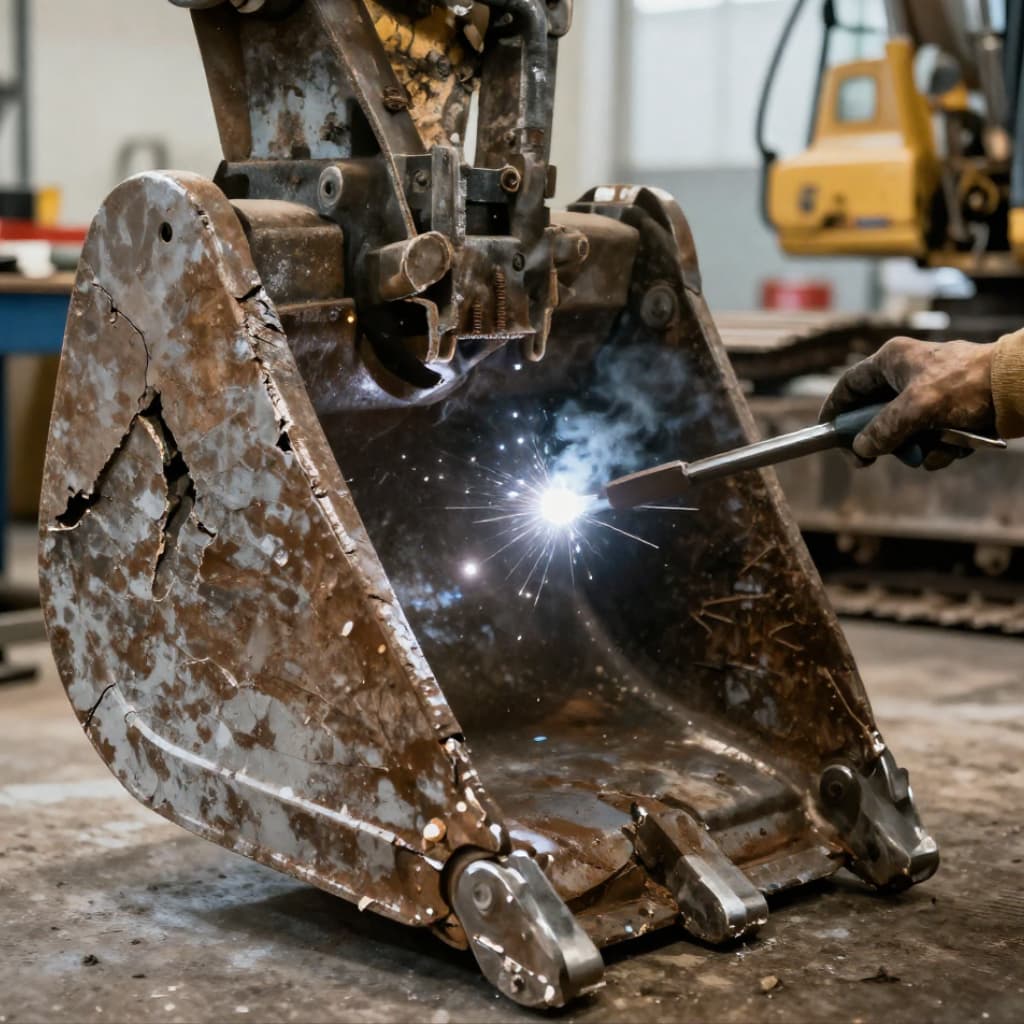
Steels with wrong hardness or low toughness values can crack under impact.
When these cracks progress:
-
The main body can be damaged
-
Chassis damage can occur
-
Breakage can be seen in welding areas
Such damages mean not just part cost but main equipment cost.
5. Occupational Safety Risks
Broken or cracked parts create a serious safety risk in the field.
-
Sudden detachment
-
Part ejection
-
Loss of control
creates danger for both the operator and site workers. Stoppages and penalties arising from occupational safety are also a hidden cost item.
6. Loss of Reputation and Contracts
On-time delivery is critically important in projects.
Machine failures and delays:
-
Damage employer confidence
-
Reduce new contract opportunities
-
Negatively affect brand reputation
This cost is not visible in the financial statement but creates a big impact in the long term.
7. Wrong Hardness–Toughness Balance
A very hard but brittle steel can crack under impact.
A very soft steel, on the other hand, wears out quickly.
The right choice is the quality that offers a balance of wear resistance and impact resistance. When this balance is not achieved, both part life and machine health suffer.
8. Total Cost of Ownership (TCO)
The real calculation in construction machinery:
Is not the part price,
But the total cost of ownership.
Thanks to the right steel selection:
-
Part life extends
-
Maintenance interval increases
-
Fuel consumption decreases
-
Downtime decreases
This increases the business's real profitability.
Conclusion
Wrong steel selection in construction machinery may seem economical at first. However, when frequent replacement, downtime, fuel increase, and structural damage risk are considered, the total cost grows exponentially.
The right material selection means not just strength but sustainable efficiency and profitability.
For long-lasting and high-performance solutions, technical analysis and correct planning are essential in steel quality selection.

 EN
EN  TR
TR