
The crushers working in quarries operate under the toughest mechanical conditions. Continuous feeding, high impact, hard rock contact, and intense vibration… Under these conditions, the wear of crusher liners is inevitable. However, in some businesses, liners require replacement much sooner than expected. So what is the reason for this?
Wear cannot be explained by "material quality" alone. Often the problem arises from a combination of working conditions, material selection, and design errors.
1. High Impact and Hard Rock Effect
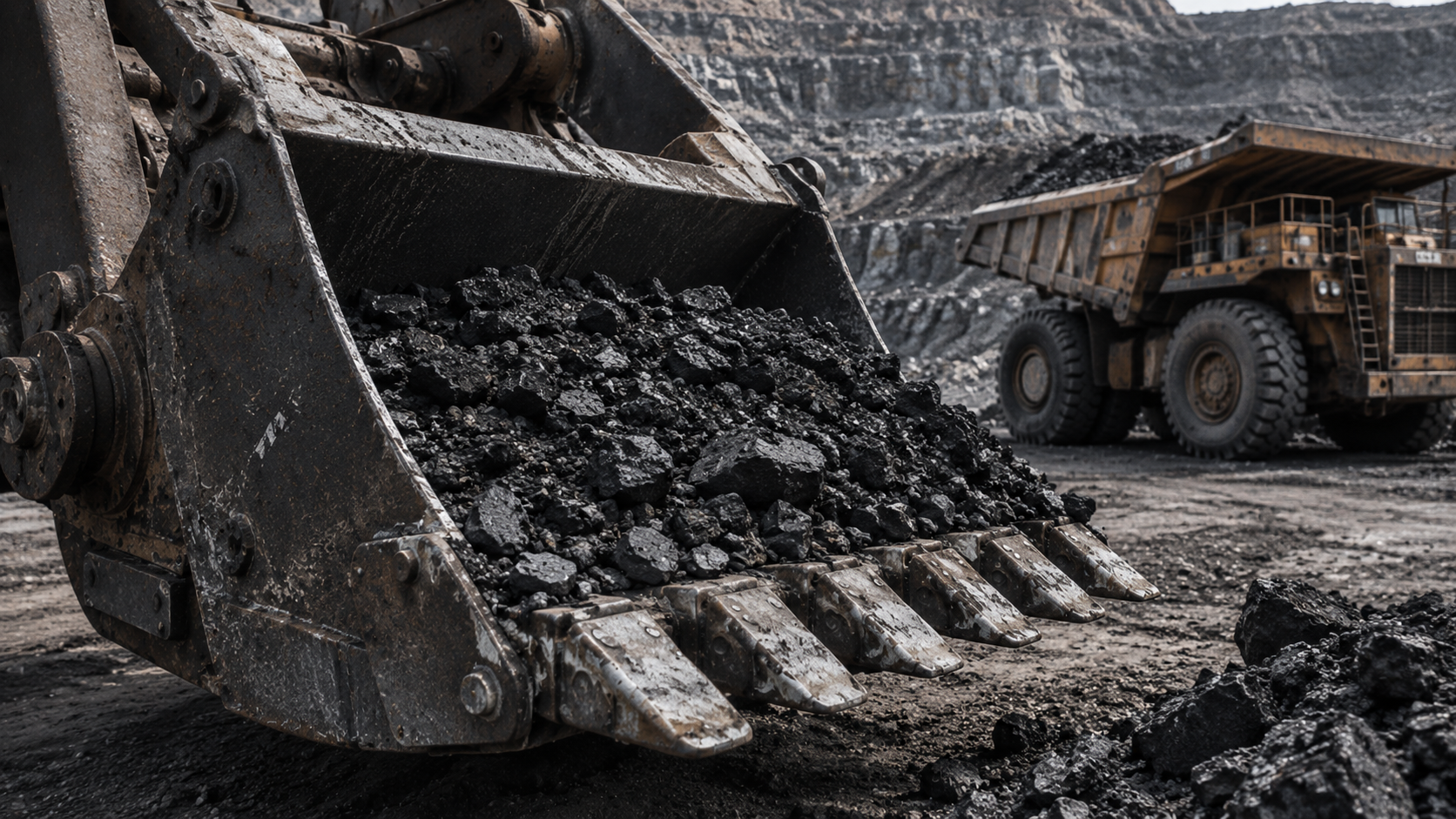
Hard rocks containing basalt, granite, and quartz processed in quarries create a serious abrasive effect on crusher surfaces.
Especially:
-
The sudden drop of large-sized stones
-
Irregular feeding
-
High-tonnage operation
cause micro-cracks and surface thinning in the liners. In areas that receive constant impact, the wear rate increases exponentially.
2. Wrong Material Selection
Not every rock type is the same.
Using the same liner material for soft limestone and hard basalt is a serious mistake.
If:
-
The hardness is chosen too low → the surface thins quickly
-
The toughness is low → cracking and breakage occur
When the right balance of hardness and impact resistance is not established, liner life is significantly shortened.
3. Irregular and Unbalanced Feeding
The concentration of material entering the crusher on one side causes one area of the liner to wear much faster than another.
This situation:
-
Unbalanced load distribution
-
Deterioration of liner geometry
-
Efficiency loss
leads to chain problems such as.
The regular operation of the feeding system directly affects liner life.
4. Wrong Liner Geometry
A liner is not just a hard plate; it is a critical part that determines crushing performance.
Wrong profile selection:
-
The stone remaining too long in the crushing chamber
-
Unnecessary friction
-
Heat increase
causes. This both accelerates wear and increases energy consumption.
5. Overcompression (Choke Feed Problem)
Running the crusher above its capacity increases the surface pressure on the liners.
Overcompression:
-
Surface crushing
-
Early deformation
-
Crack initiation
creates.
While trying to increase production, the frequency of liner replacement may increase.
6. Use of Low-Quality or Equivalent Products
Although some liners are similar in appearance:
-
Homogeneity
-
Heat treatment quality
-
Hardness distribution
are not sufficient in terms of.
Such products seem to offer a cost advantage at first; however, they require replacement in a short time and increase the total cost.
7. Insufficient Maintenance and Inspection
If wear is not checked regularly:
-
The liner thins
-
The body gets damaged
-
Large-scale equipment damage can occur
Periodic measurement and early intervention significantly extend equipment life.
8. Dust and Fine Material in the Working Environment
Fine and sharp particles increase friction. Especially in dry and dusty environments, the wear rate rises.
Even the difference between a humid environment and a dry environment can affect liner life.
Conclusion: Wear Is Inevitable But Controllable
The wear of crusher liners is a natural process. However:
-
Right material selection
-
Appropriate hardness and toughness balance
-
Balanced feeding
-
Correct geometry
-
Quality production
liner life can be significantly extended with.
Sustainable production in quarries is achieved not only with high capacity but with correct wear management.
To review wear-resistant steel and crusher liner solutions, you can visit the products page:

 EN
EN  TR
TR