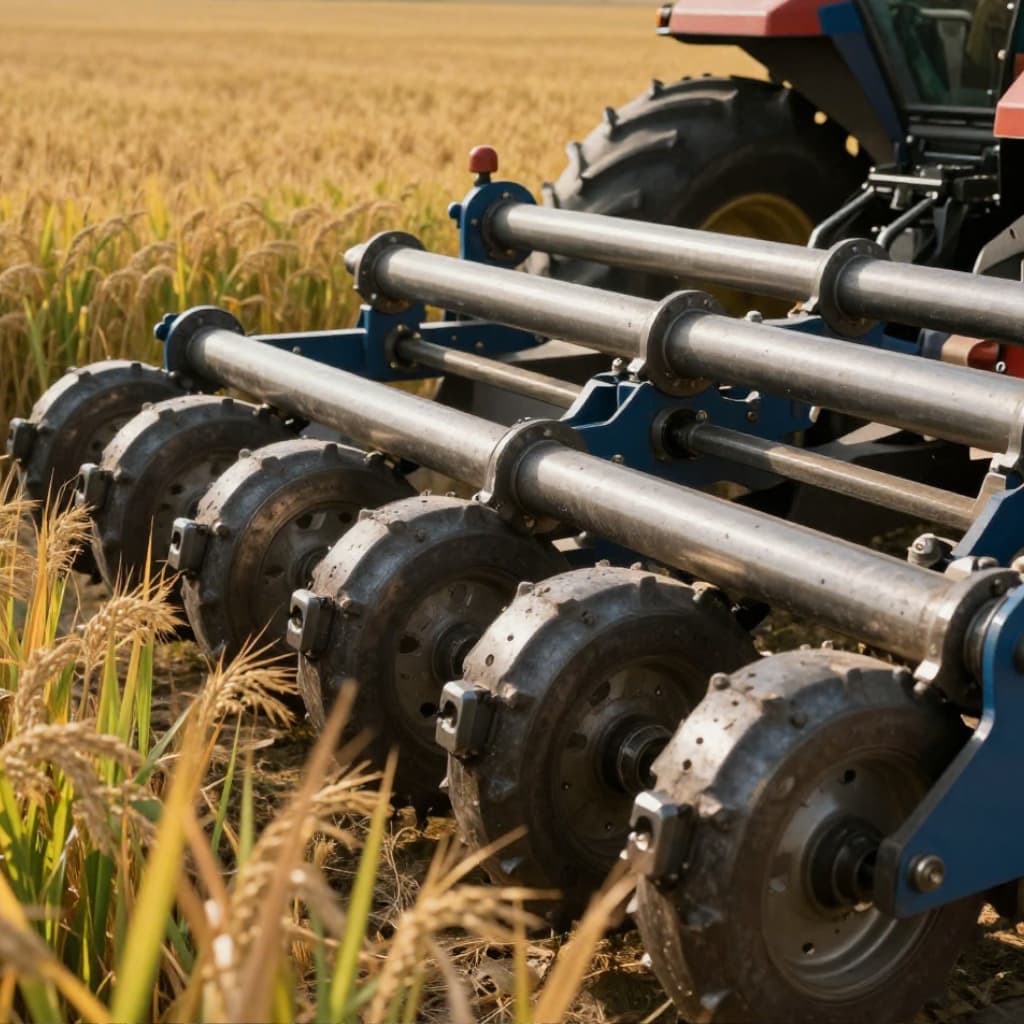

Agricultural machinery are systems in constant contact with soil, stone, sand, and moisture. Plow tips, discs, cultivator feet, seeder parts, and bucket-like equipment are directly subject to friction. For this reason, the quality of steel used directly affects the machine's performance and durability throughout the season.
Wrong steel selection:
-
Rapid tip thinning
-
Shape deformation
-
Cracking
-
Increase in fuel consumption
leads to problems such as.
For parts in contact with soil, the right steel selection is a matter of not just strength but efficiency.
Soil Is an Abrasive Material
Soil is not just a soft ground. It contains:
-
Silica
-
Stone particles
-
Mineral components
. This structure creates constant friction and micro-cutting effects on metal surfaces.
Especially in dry and stony terrain, the wear rate increases significantly.
Where Are the Critical Parts?
The most worn areas in agricultural machinery:
-
Plow tips
-
Disc harrow edges
-
Chisel feet
-
Ripper tips
-
Fertilizer spreader blades
These parts work under both friction and impact effects.
Why Is Hardness Important in the Right Steel Selection?
Surface hardness plays a critical role in parts in constant contact with soil. Steels without sufficient hardness thin quickly and lose their form.
However, when a very hard material is selected:
-
The risk of fracture under impact can increase
-
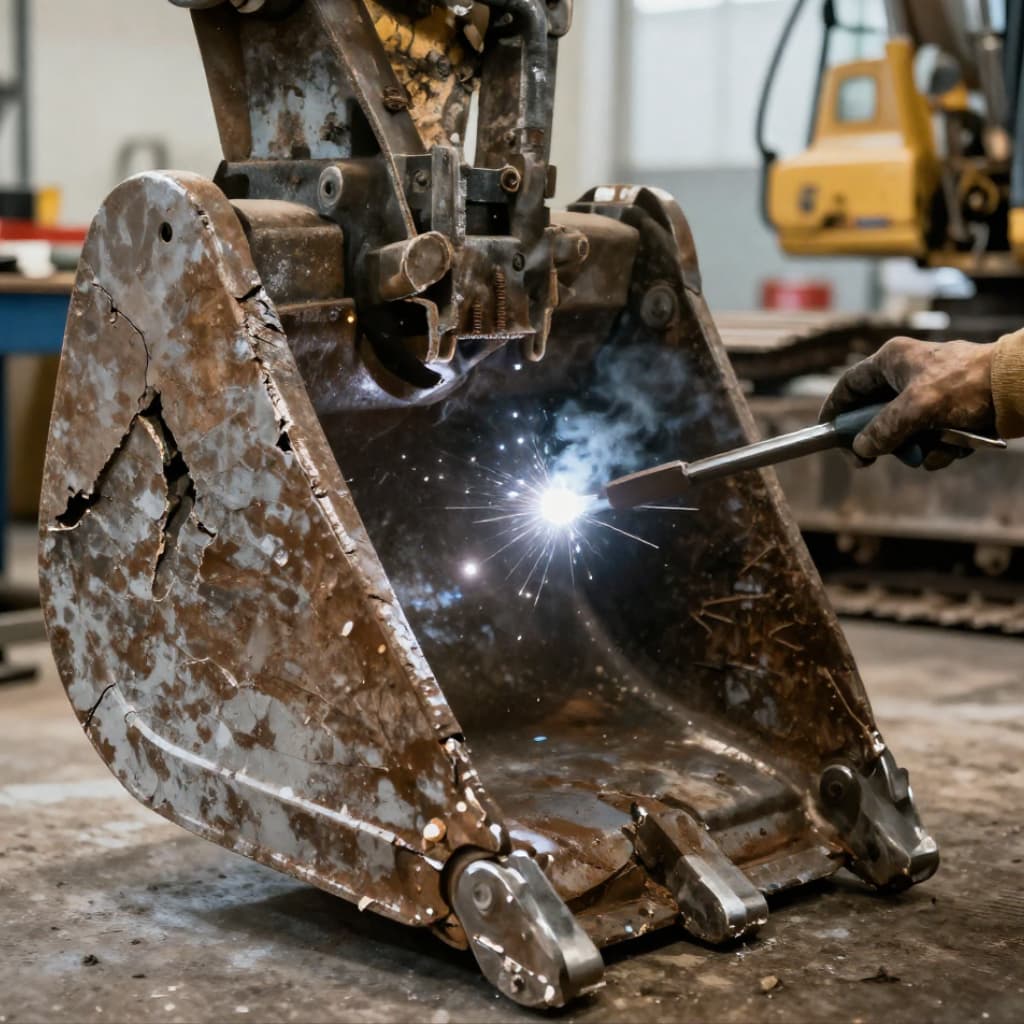
Cracks can form in welding areas
Therefore, wear resistance and impact resistance must be balanced.
Toughness and Elasticity Balance
Agricultural machinery is subject not only to friction but also to sudden impacts. For equipment working on stony ground, the steel needs to have a certain flexibility.
High toughness:
-
Reduces the risk of cracking
-
Extends part life
-
Prevents unexpected fractures
Therefore, steel with balanced properties, not just "hard," should be preferred.
The Hidden Cost of Wrong Material
Low-quality steel may seem economical at first. However:
-
Part replacement in the middle of the season
-
Work loss
-
Increased fuel consumption
-
Efficiency drop
increase the total cost.
In agriculture, time loss is directly income loss.
Applications That Reduce Wear
In addition to the right material selection:
-
Use of hardened tips
-
Replaceable wear plates
-
Regional reinforcement applications
significantly increase part life.
Conclusion
The best steel for agricultural machinery parts in contact with soil is a quality with high wear resistance, sufficient impact resistance, and a homogeneous structure. Thanks to the right choice:
-
Part life extends
-
Maintenance frequency decreases
-
Work efficiency increases
-
Uninterrupted operation is ensured throughout the season
Sustainable performance in agriculture starts with the right material.

 EN
EN  TR
TR