
How long a piece of equipment will last on a mining site is usually described with this sentence:
"Everything that works here eventually wears out."
This is a correct observation.
But it is incomplete.
Because some equipment tires much earlier, while others continue their task longer than expected. The difference is often explained by engine power, the operator, or the machine brand. However, when you look a little more closely, the real difference on the contacting surfaces is seen to emerge.
This is exactly where armor steel solutions come into play.
Why Is the Wear and Impact Problem in Mining So Critical?
The mining environment is quite merciless for materials.
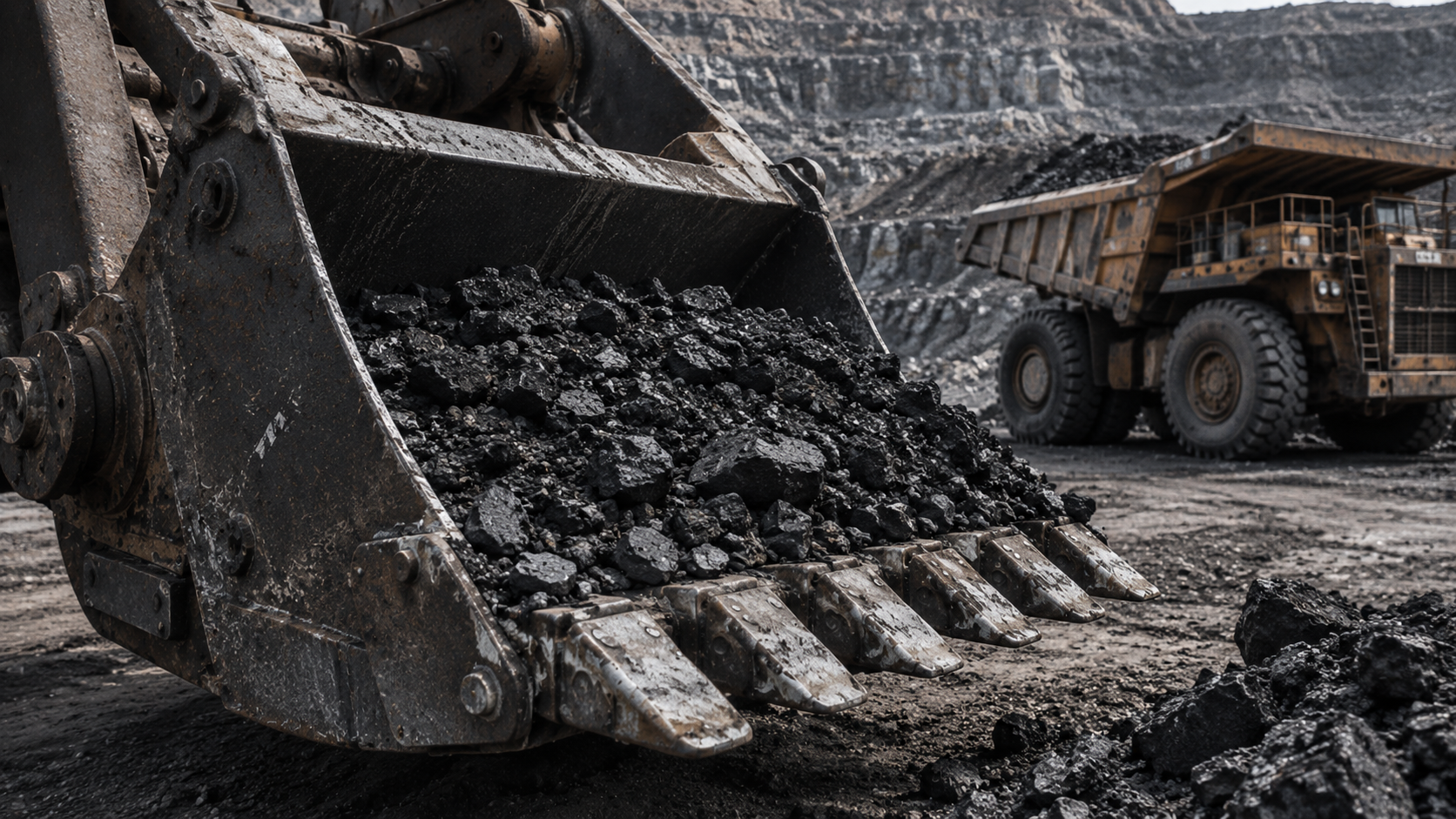
Stone, ore, rock, and metal constantly contact the equipment surfaces. This contact is sometimes in the form of friction and sometimes manifests itself with sudden and hard impacts.
In equipment working under these conditions, wear is inevitable.
But when it is not brought under control, this wear does not just mean part replacement. Downtime lengthens, production plans are disrupted, and costs increase faster than expected.
This is why wear and impact are not seen as a "small problem" in mining.
It is directly associated with efficiency.
What Is Armor Steel? Why Is It Preferred in Mining?
The first thing that comes to mind when armor steel is mentioned is hardness.
But hardness is not the only issue.
Armor steel refers to steels specially produced to resist wear and impact. The goal is to create a layer that protects the main body of the equipment.
In other words, the equipment is not sacrificed; the armor is sacrificed.
This approach is quite a logical solution in mining.
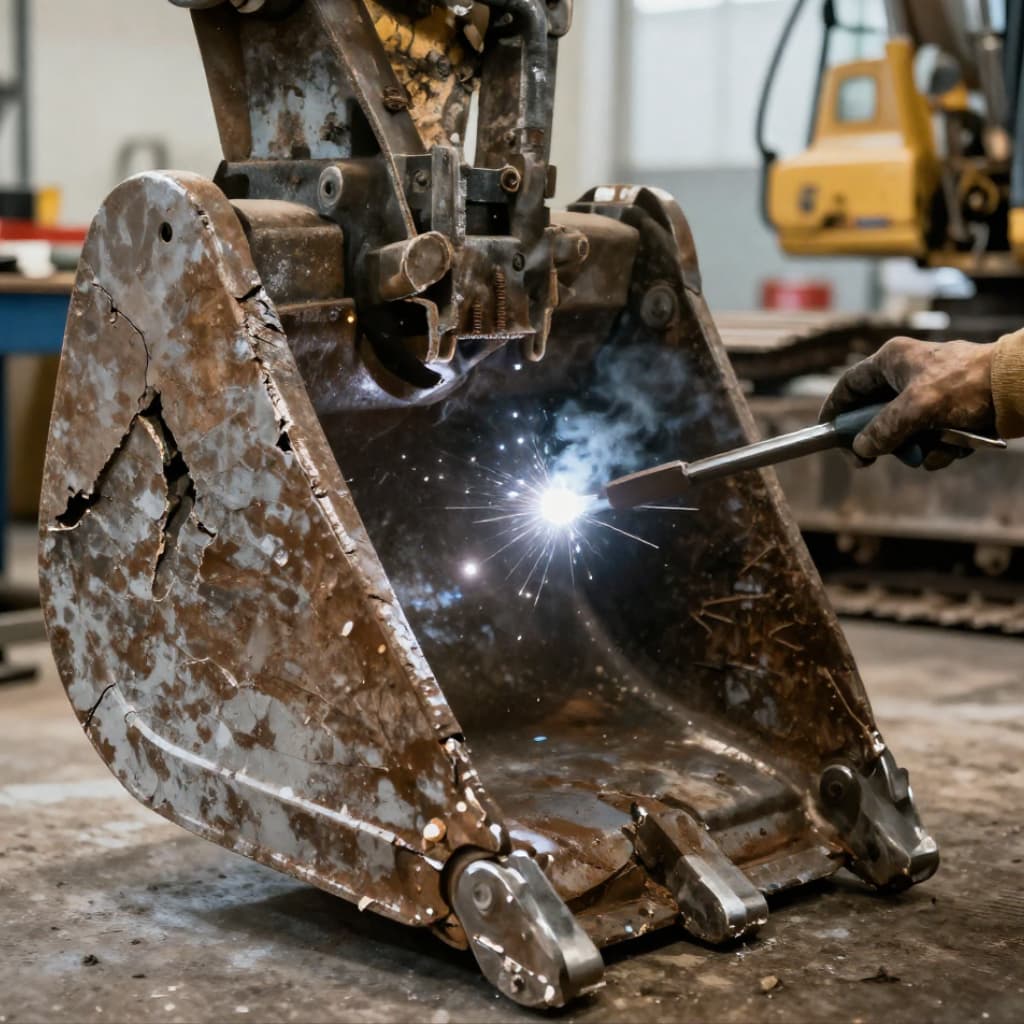
In equipment using armor steel, the worn part can be replaced while the main structure is preserved. This provides a serious advantage in the long term.
The Effect of High Wear-Resistant Steels on Equipment Life
When high wear-resistant steels are used, the behavior of the equipment changes.
Of two pieces of equipment working in the same environment, one can continue its task much longer.
This difference is sometimes measured in months, sometimes in years.
As wear slows down, maintenance intervals lengthen. As maintenance intervals lengthen, unplanned downtime decreases. When unplanned downtime decreases, production becomes more predictable.
In other words, armor steel protects not only the equipment, but also the work plan.
The Performance of Armor Steel Under Impact, Friction, and Load
In mining, there is no single load type.
Sometimes there is constant friction, sometimes sudden rock falls, and sometimes high-tonnage loads.
When selecting armor steel, all of these loads are considered together.
When focusing only on wear, impact resistance can be overlooked. If only impact is considered, friction can quickly consume the surface.
Therefore, the performance of armor steel depends not on a single property; on balance it rests.
The solutions that perform well in the field are generally those that establish this balance correctly.
Choosing the Right Armor Steel: Is the Same Steel Suitable for Every Equipment?
This question is asked very often.
And the answer is quite clear: No.
Not every equipment works the same way. A crusher and a conveyor, a bucket and a bunker are not subject to the same load. Therefore, using the same armor steel at every point does not give the right result.
In some areas, harder steels are needed, and in some areas, tougher steels.
The right selection is made by correctly analyzing where and how the equipment wears.
Armor steel selected without this analysis does not meet expectations.
But when the right steel is used at the right point, the difference is felt immediately.
The Effect of Using Armor Steel on Maintenance and Downtime
What maintenance teams want most is this:
"Let there be no unplanned downtime."
Armor steel solutions directly contribute to this desire. Because worn surfaces are replaced later, and replacement becomes more predictable.
This enables maintenance to be done in a planned way.
Planned maintenance is always cheaper and safer.
There is a situation frequently seen in the field:
Equipment that does not use armor steel stops more often, but these stops are generally considered "normal." However, with the right solution, most of these stops can be prevented.
The Most Commonly Used Armor Steel Applications in Mining Equipment
When armor steel is mentioned, only one part should not come to mind.
Its area of use is quite wide.
Crusher inner surfaces,
bunker floors,
conveyor transfer points,
bucket mouths and side walls…
The common point of these areas is this:
All are subject to the harshest conditions.
And problems usually always start at these points.
Therefore, armor steel applications make the most difference in these areas.
Long-Term Cost Advantage: Does the Armor Steel Investment Pay Off?
At first glance, armor steel may seem expensive.
This is a very normal perception.
But in mining, cost calculation is not done only with the part price. Downtime, labor, production loss, and safety risks are also taken into account.
When these items are evaluated together, the armor steel investment generally pays for itself. In fact, most of the time, it pays off sooner than expected.
Therefore, armor steel is thought of not as an expense item;
but like an insurance policy.
A Brief Evaluation Instead of a Conclusion
In mining, equipment life is not left to chance.
This life is extended by small but right decisions.
Armor steel solutions are among the foremost of these decisions.
When the right steel is used in the right place, the equipment lasts longer, the site stops less, and costs are brought under control.
And the sentence most heard in the field is this:
"We wish we had done this earlier."

 EN
EN  TR
TR