
Wear plate investment initially seems like an "extra cost" for most businesses. Especially in budget planning, choosing a higher-priced solution compared to standard steel is questioned. But the right question is this: Is this really a cost, or a long-term savings tool?
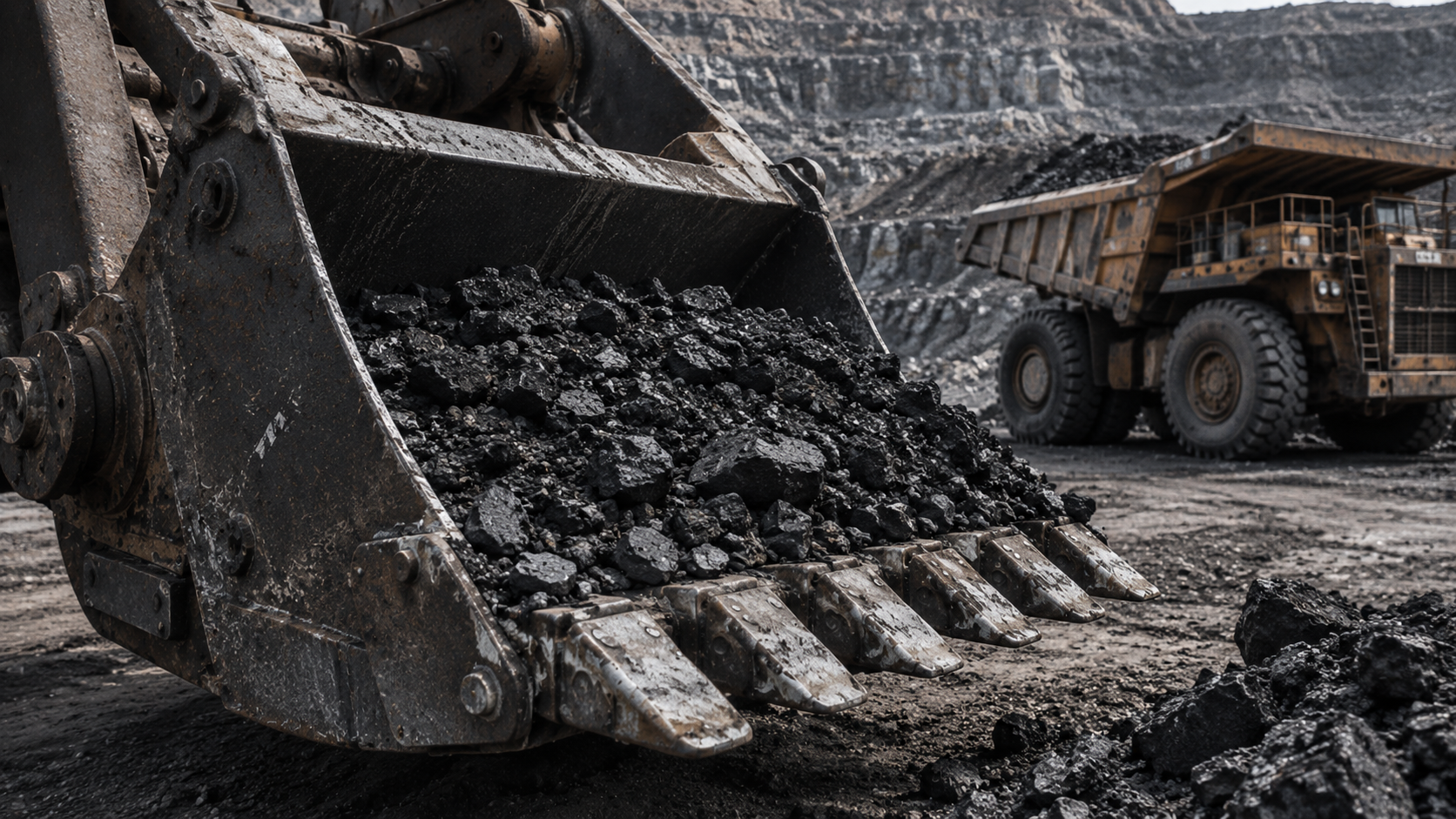
Wear is inevitable in equipment operating under heavy-duty conditions. What matters is whether the wear is kept under control. This is exactly where wear plate investment becomes a strategic decision.
1. Short-Term Perspective
Using standard steel seems more economical at the initial purchase stage.
However, usually:
-
More frequent part replacement is needed
-
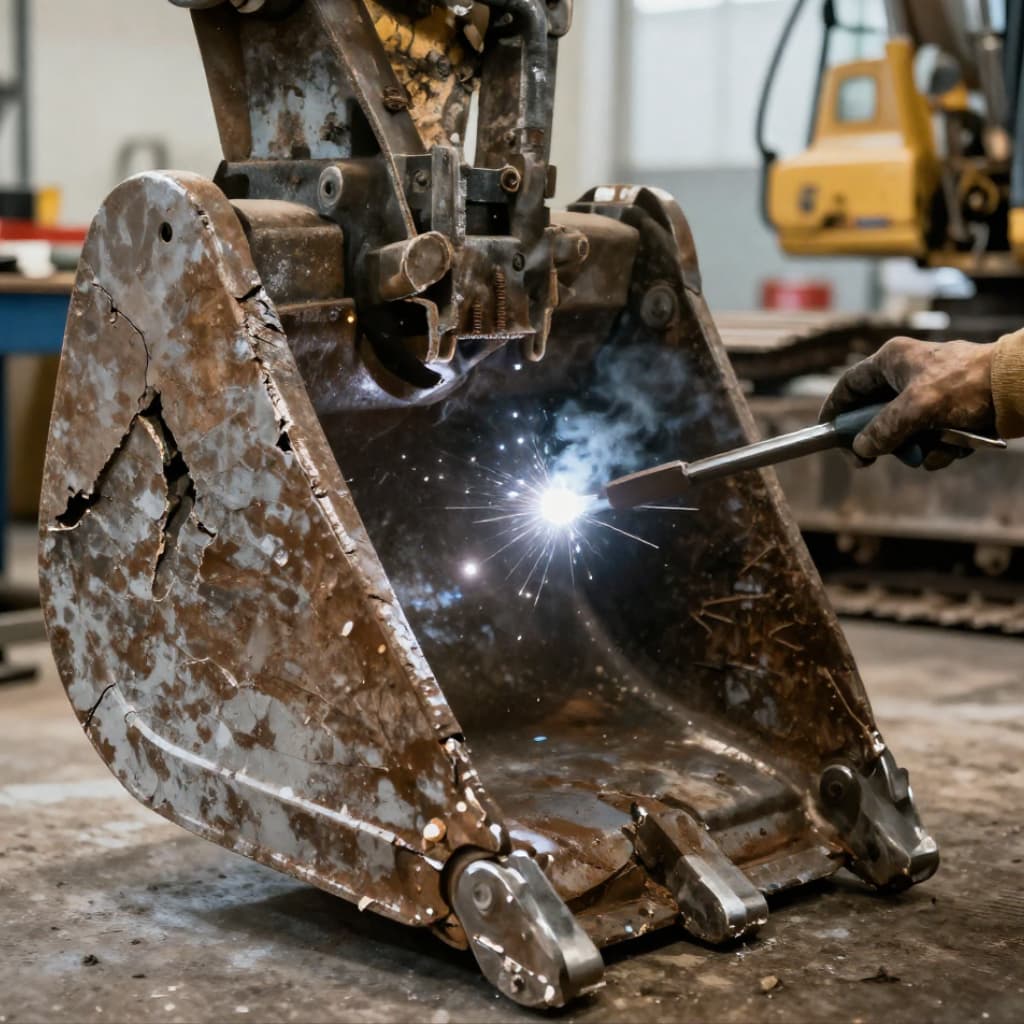
The body starts to get damaged
-
The need for welding and maintenance increases
This creates a cost again in a short time.
2. Long-Term Performance Advantage
Plates with high wear resistance:
-
Delay surface thinning
-
Offer impact resistance
-
Protect the body
As a result, the part replacement interval extends. This directly contributes to business continuity.
3. The Real Cost of Downtime
The machine must stop for a wear plate replacement.
Downtime:
-
Production loss
-
Labor cost
-
Schedule delay
means.
As the wear plate life extends, unplanned downtime decreases.
4. Main Body Protection
One of the most critical advantages is that it protects the body.
If a wear plate is not used or a low-quality material is chosen, the main chassis and load-bearing structure begin to get damaged. Such damages are much more costly than a simple plate replacement.
5. Energy and Efficiency Impact
Worn surfaces increase friction.
More friction:
-
More energy consumption
-
More engine load
-
Lower performance
means.
Because durable plates maintain the surface form for longer, the system works more efficiently.
6. Total Cost of Ownership (TCO)
When evaluating a wear plate investment, the following questions should be asked:
-
How much does the part life extend?
-
How much does downtime decrease?
-
How does the annual maintenance cost change?
In most cases, a quality wear plate significantly reduces the total cost of ownership.
7. The Risk of Wrong Quality Selection
Choosing just a "hard" plate is not enough.
A very hard material with low toughness can crack.
A plate with insufficient hardness thins quickly.
The right quality is the material that offers a balance of wear resistance and impact resistance.
8. Conclusion: Cost or Investment?
A wear plate investment may require a higher budget in the short term. However:
-
Less part replacement
-
Less downtime
-
Lower maintenance cost
-
Longer equipment life
When advantages such as are considered, this decision often turns into long-term savings.
The real gain emerges not in the initial purchase price, but in the annual operating performance.

 EN
EN  TR
TR